Bittensor (TAO): A Decentralized AI Network
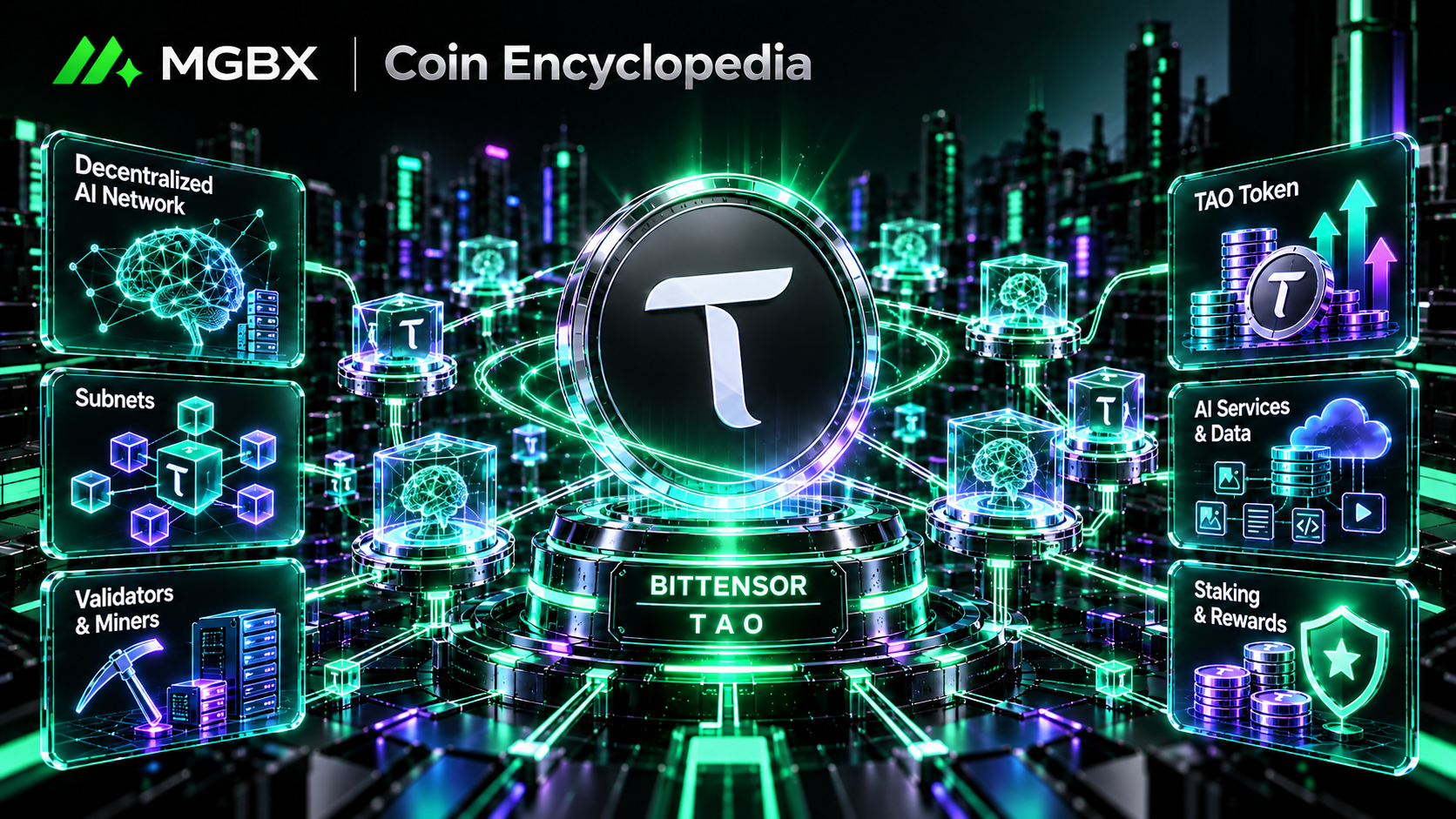
Bittensor organizes digital services through subnets, using evaluation and incentives to coordinate participants. Evaluating the project means asking whether scoring identifies useful contributions and whether services attract external demand. Understanding TAO also requires distinguishing the network’s native token from subnet-specific alpha tokens, including conversion and liquidity risks when staking. More subnets, higher rewards, or token halvings alone do not demonstrate commercial success. Assessing service quality, customer usage, and token mechanics together provides a fuller picture of this decentralized AI network.
What Is Bittensor? How Do Subnets Organize Services?
Bittensor is an open network that uses blockchain to coordinate participation and incentives. Individual subnets establish rules for digital services such as inference, prediction, and storage. Tasks primarily run off-chain, while the blockchain records participation and implements the relevant mechanisms. This does not mean all AI models form a single unified brain or that every subnet follows the same technical approach.
Within a subnet, miners produce the required outputs, validators evaluate their performance, and subnet owners design the mechanisms. Competition can encourage improvement, but scoring methods still need individual scrutiny for fairness and vulnerability to manipulation. Competition alone does not guarantee industry-leading results.
How Do TAO and Alpha Differ? Understanding Issuance and Staking
TAO is Bittensor’s native token. Subnets also have their own alpha tokens, which trade against TAO through dedicated liquidity pools. According to the official documentation, staking TAO into a subnet involves converting it into that subnet’s alpha; exiting converts it back into TAO. Subnet participation therefore introduces exposure to alpha’s relative price movements and conversion slippage, beyond the risks of simply holding TAO.
TAO has a maximum supply of 21 million tokens. Halvings are triggered by issuance thresholds, rather than occurring on a fixed four-year schedule. Network analysis should also distinguish protocol-issued rewards from customer service payments: issuance rewards cannot simply be counted as external business revenue.
How Do You Evaluate a Decentralized AI Network? Focus on Quality and Demand
Research Bittensor through three questions: What do miners deliver? How do validators assess quality? Who will pay for the results? A prediction service receiving substantial network rewards must still demonstrate value through consistent performance and user adoption. Connecting incentives to actual demand is essential to assessing sustainability.
Also monitor scoring changes, participant concentration, service reliability, and liquidity. For stakers, the advertised reward rate tells only part of the story; asset prices and exit costs also affect returns. Beginners should understand TAO and alpha before examining individual subnets, rather than assuming every opportunity will benefit equally from decentralized AI adoption.
Frequently Asked Questions
Is Bittensor just a GPU rental platform?
No. Subnets coordinate miners and validators around different digital services. Services and hardware requirements depend on each subnet’s design.Does holding TAO entitle you to revenue from every subnet?
No. Holding tokens, staking, and participating in subnets follow different rules. TAO is not an equity stake in all network businesses.Do TAO staking rewards guarantee your principal?
No. Token prices, alpha exchange rates, and slippage can affect returns. Rewards do not eliminate the risk of losing your initial investment.
Mastering the basics is the first step. Follow MGBX Academy to access more cryptocurrency educational resources and market opportunities.
The process for trading on MGBX:
Register a trading account and complete the necessary identity verification;
Deposit funds and select a trade type;
On the cryptocurrency trading page, enter the amount or quantity of the cryptocurrency you wish to purchase;
Confirm the order to complete the trade, and check that your assets have increased accordingly.