Pendle (PENDLE): Yield Trading
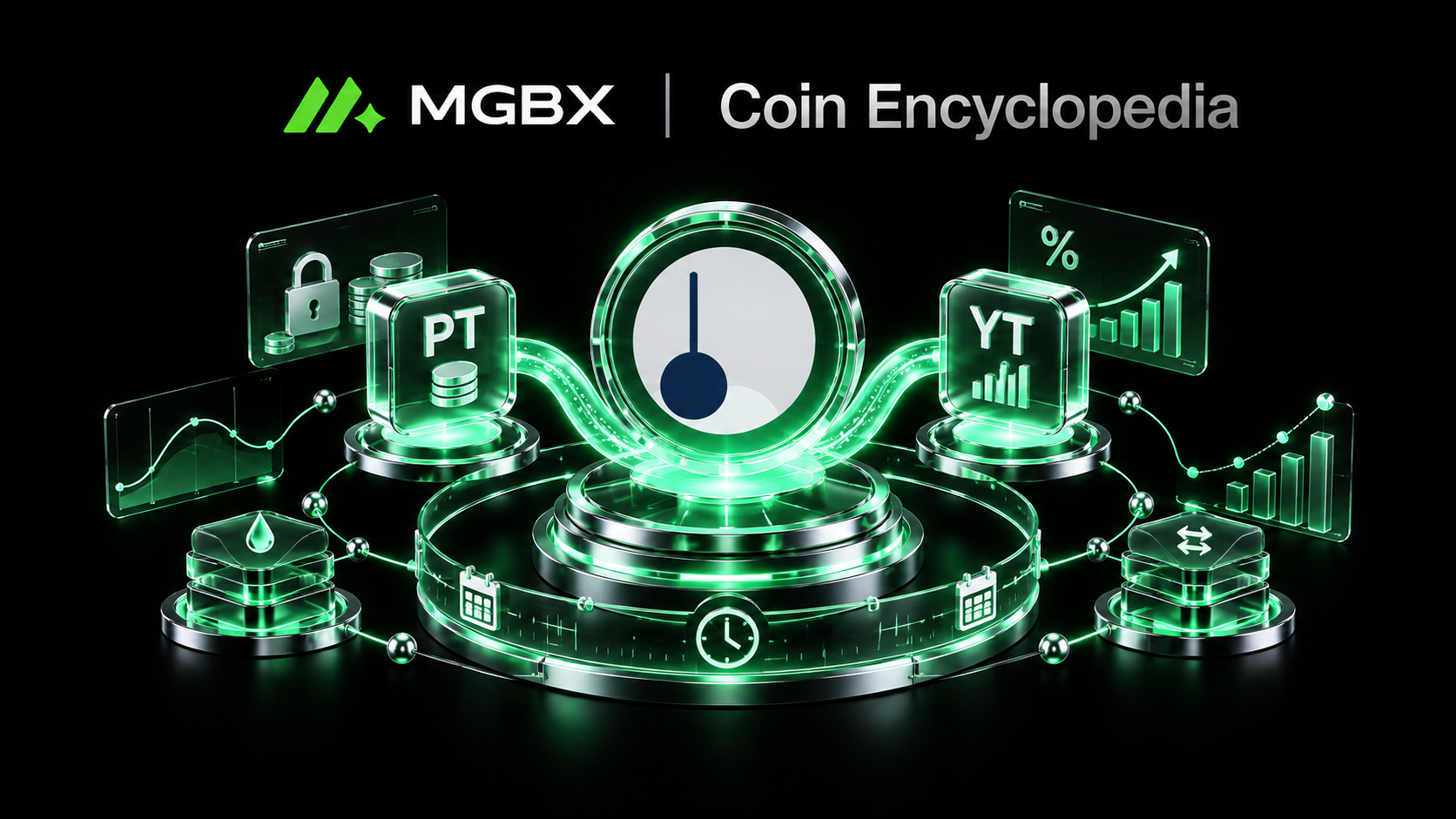
Pendle separates a yield-bearing asset’s principal rights from its future yield, allowing users to trade yield exposure across different maturities. PT represents redemption rights at maturity, while YT represents yield rights before expiry. Providing liquidity offers another way to participate. PENDLE and its staking mechanism serve different functions from these positions. Researching Pendle requires checking the accounting asset, maturity date, entry cost, and underlying risks. Fixed yields do not guarantee principal protection, and greater yield exposure does not guarantee profits. Understanding return sources matters more than simply comparing displayed annualized rates.
What Is Pendle, and How Does Yield Tokenization Work?
Pendle is a decentralized yield-trading protocol. Its yield tokenization mechanism wraps yield-bearing assets into a standardized form called SY, then creates Principal Tokens (PT) and Yield Tokens (YT), allowing principal and yield to be priced and traded separately.
PT represents redemption rights at maturity, while YT represents yield rights before expiry. Both have a corresponding maturity date. Check the accounting asset carefully: PT redemption at maturity is calculated in units of that asset, which does not necessarily mean receiving the same number of underlying yield-bearing tokens.
How Do PT, YT, and Liquidity Provision Differ?
PT typically trades at a discount to its accounting asset. For example, buying 1 PT for 0.95 units and redeeming it at maturity for assets worth 1 unit produces a holding-period return of approximately 5.26%, before fees. The annualized yield depends on the remaining term. This fixed return assumes holding to maturity and successful settlement; selling early exposes the position to market prices.
Buying YT can be understood as going long on future yield: users pay upfront to receive the position’s yield until expiry. Profitability depends on whether accumulated proceeds exceed the purchase cost and fees. As maturity approaches, YT’s time value declines, although its market price also responds to changing yield expectations. YT itself becomes worthless at maturity; accrued, claimable yield is handled separately.
Providing liquidity involves a different position. Pendle’s relevant pools primarily consist of PT and SY. Returns may include underlying yield, trading fees, and incentives, depending on the pool and participation mode. This should not be described simply as depositing PT and YT, nor treated as risk-free additional income.
What Does PENDLE Do, and What Are the Main Risks?
PENDLE is the protocol token, distinct from PT and YT’s time-limited rights. The protocol currently offers sPENDLE staking, through which eligible participants can access governance rights and reward distributions. Legacy vePENDLE positions are subject to transitional arrangements. Check the official sPENDLE rules for eligibility, withdrawal periods, and fees rather than assuming token ownership automatically earns distributions.
Yield tokenization does not eliminate underlying risks. PT remains exposed to asset depreciation, depegging, and smart contract risks. YT may generate insufficient yield to recover its cost. LPs must consider yield movements, entry and exit prices, and fluctuating incentives. Borrowing to add leverage introduces interest costs and liquidation risk. Following “A Beginner’s Guide to Investing in DeFi Tokens”, assess the protocol, asset, and strategy separately.
FAQ
Does 1 PT always redeem for one original yield-bearing token at maturity?
No. Check the market’s accounting asset and redemption rules rather than relying on the token’s name.Does rising yield guarantee a profit on YT?
No. Actual yield, time remaining, purchase price, and fees all affect the final return.Does providing liquidity earn more than holding PT alone?
Not necessarily. LP returns, price movements, and exit costs differ. Compare positions over the same timeframe and in the same accounting units.
Mastering the basics is the first step. Follow MGBX Academy to access more cryptocurrency educational resources and market opportunities.
The process for trading on MGBX:
Register a trading account and complete the necessary identity verification;
Deposit funds and select a trade type;
On the cryptocurrency trading page, enter the amount or quantity of the cryptocurrency you wish to purchase;
Confirm the order to complete the trade, and check that your assets have increased accordingly.