Render (RNDR): Decentralized GPU Rendering
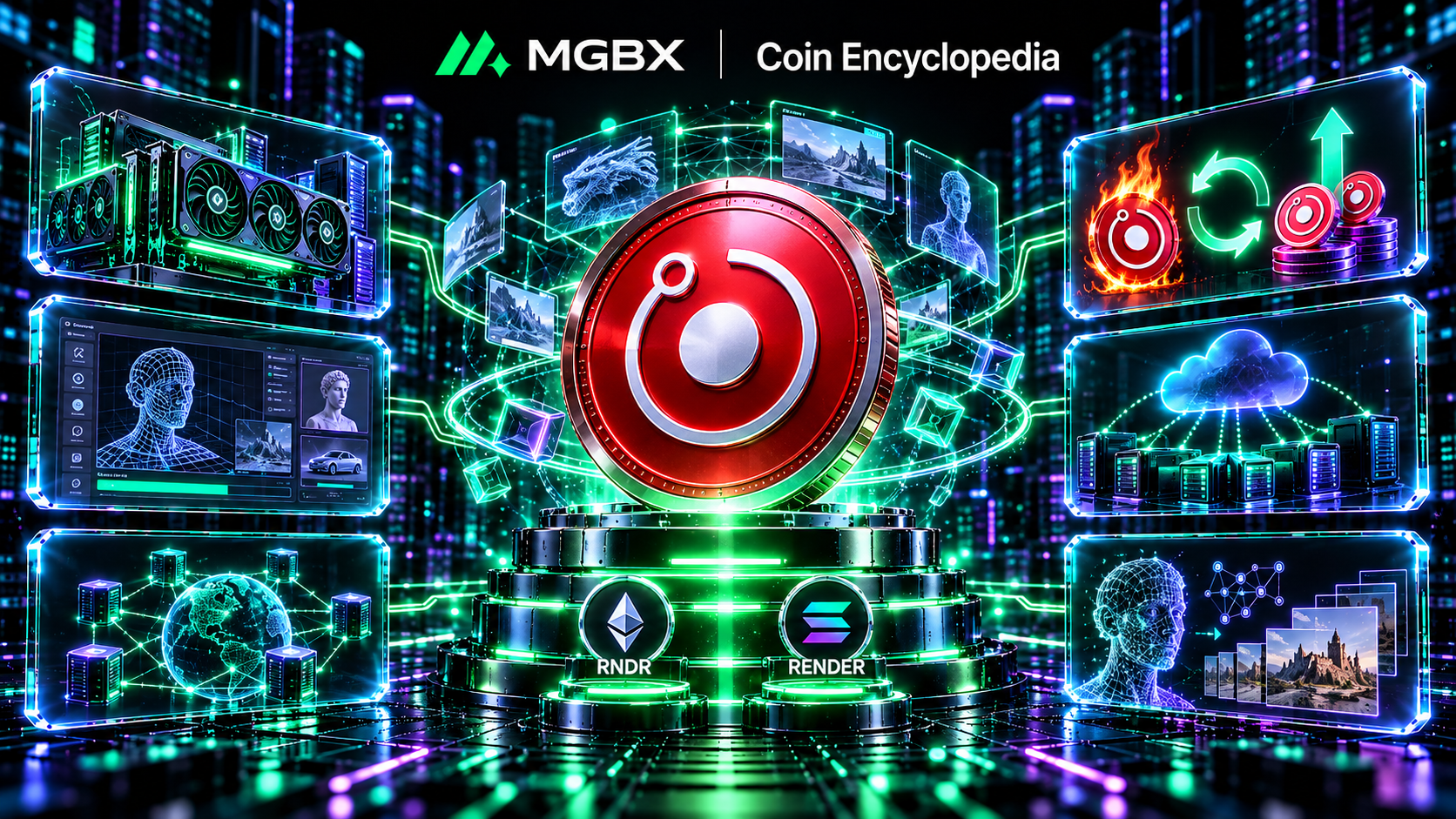
Render connects GPU resources with computing tasks, making reliable service delivery central to evaluating the project. Understanding it requires distinguishing Ethereum-based RNDR from Solana-based RENDER, as well as the technical requirements of rendering versus AI compute. BME links task-related token burns with reward issuance, but net deflation depends on comparing both over the same period. Investors should assess paid workloads, customer demand, service costs, and token supply together. Growing GPU demand does not automatically translate into token returns.
What Is Render? What Problems Does GPU Rendering Solve?
GPU rendering uses graphics processors to turn 3D scenes into finished images, commonly for animation, visual effects, and product visualization. Complex scenes can require substantial computing resources, leaving creators to balance equipment purchases, rented services, and production schedules. Render connects workloads with GPU nodes, allowing users to submit jobs through its platform.
According to the official Render user documentation, users can prepare scenes, create jobs, track progress, review frames, and download results. Evaluating a rendering service therefore requires more than counting nodes: software compatibility, output quality, and workflow efficiency also matter. File transfers, waiting times, and rework affect the total cost.
RNDR vs RENDER: Understanding BME
RNDR and RENDER are the token’s pre-upgrade and post-upgrade versions on different networks. Render provides an official path to upgrade Ethereum RNDR to Solana RENDER. Before trading or transferring, verify the asset and network supported by the platform rather than relying on the name alone.
Render’s Burn and Mint Equilibrium (BME) mechanism separately manages task-related RENDER burns and token issuance for participant rewards. Tokens are burned, not fiat currency. To assess supply changes, compare issuance and burns: if 100 tokens are issued and 80 burned during a period, those two activities still produce a net increase of 20 tokens. Burning alone does not guarantee deflation.
How Does Render Relate to AI Compute? Workloads Matter
GPUs support graphics workloads and some AI computing, but requirements differ across GPU memory, interconnects, bandwidth, and software environments. Render’s official RNP-019 proposal explicitly distinguishes general-purpose and AI compute nodes from traditional rendering nodes. Not every rendering node can simply switch to large-scale model training.
When researching Render’s AI compute progress, examine supported workloads, customer usage, node delivery, and total costs. Distinguish planned partnerships from services already available. Even with rising demand, the project faces competition from cloud providers, hardware upgrade costs, and customer concentration risks. Token prices also depend on new supply, valuation, and broader market conditions.
FAQ
Can RNDR and RENDER use the same deposit network?
Do not assume so. Verify the asset version, network, and address requirements supported by the exchange. Make a small test transfer if needed.Can anyone with a GPU join Render and earn rewards?
Participation depends on the network’s hardware, software, and onboarding requirements. Follow current application rules; eligible equipment does not guarantee assigned work.Will more RENDER burns necessarily increase its price?
No. Reward issuance, circulating supply, market demand, and valuation also matter. A single metric cannot determine price direction.
Mastering the basics is the first step. Follow MGBX Academy to access more cryptocurrency educational resources and market opportunities.
The process for trading on MGBX:
Register a trading account and complete the necessary identity verification;
Deposit funds and select a trade type;
On the cryptocurrency trading page, enter the amount or quantity of the cryptocurrency you wish to purchase;
Confirm the order to complete the trade, and check that your assets have increased accordingly.