Why Has SOL Become One of the Most Popular Layer 1 Blockchains?
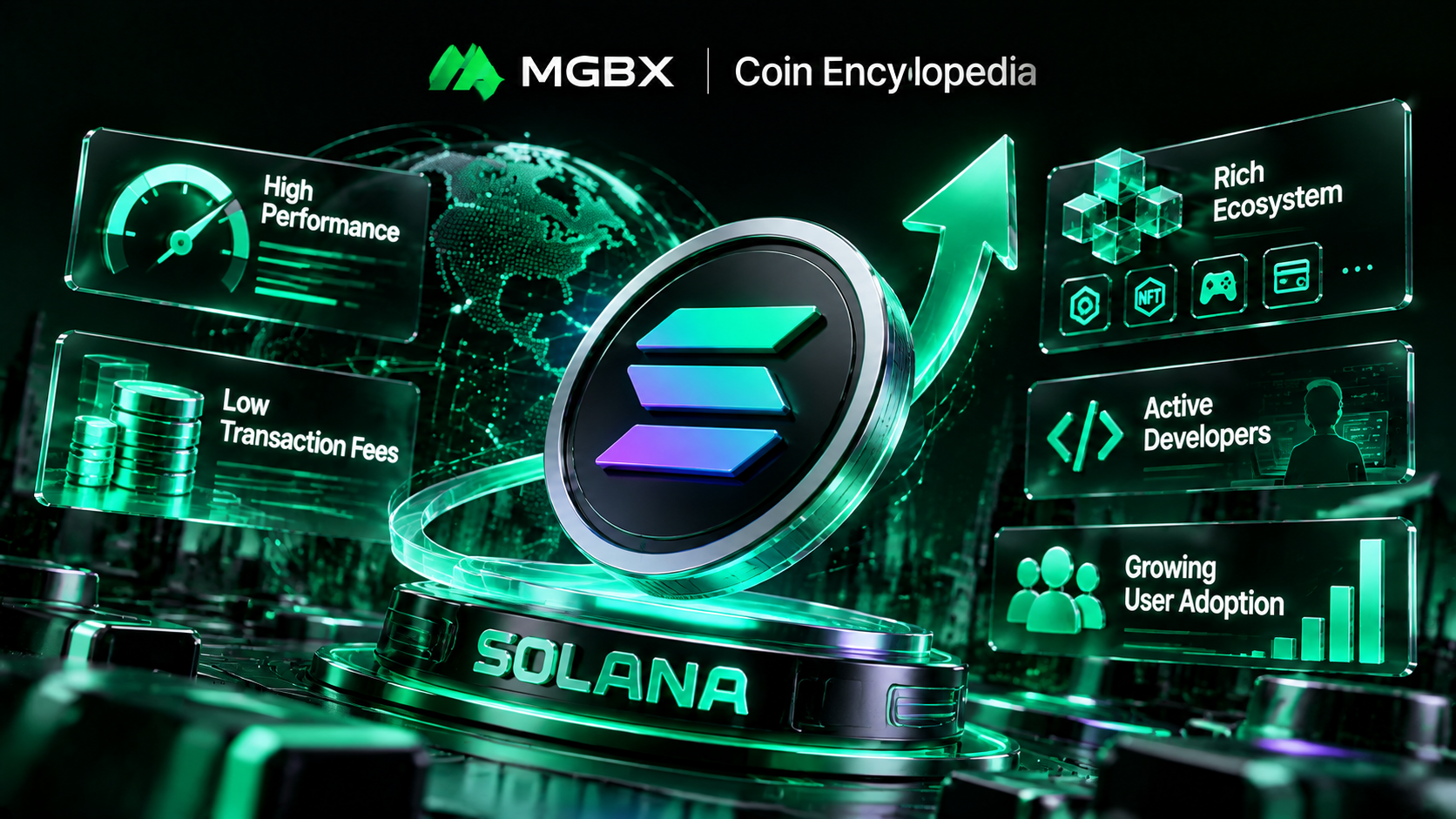
SOL has become a widely followed Layer 1 asset for reasons that go beyond price appreciation or the meme coin boom. Solana’s low transaction friction, ability to support high-frequency interactions, and unified Layer 1 environment have improved the on-chain user experience. At the same time, an active application ecosystem continues to attract users, liquidity, and developers, creating a broader network effect. However, Solana’s advantages do not mean the competition is over. Ethereum and other Layer 1 and Layer 2 networks continue to evolve, while network stability and sustainable real-world demand remain key measures of long-term competitiveness.
Solana’s Advantage: On-Chain User Experience
Public blockchain technology ultimately comes down to a few practical questions: How long does a transaction take? How much does it cost? And can the network still function reliably during periods of high demand?
Solana reduces friction for frequent on-chain interactions through high throughput and parallel execution. This is especially important for use cases such as DEXs, payments, gaming, NFTs, and meme coins, where users may need to complete multiple transactions within a short period of time.
If every interaction requires a high gas fee, many small-value transactions simply become uneconomical. Lower transaction costs make it easier for users to swap assets more frequently, adjust DeFi positions, or interact with on-chain applications.
This is one of the Solana advantages users can feel most directly: technical performance translates into an experience that is closer to using a conventional internet application.
However, low fees are not permanently fixed at one level. Solana also supports priority fees, so the actual amount users pay can vary depending on network activity and transaction demand.
Developers, Applications, and Capital Create a Network Effect
Performance may be the entry point in public blockchain competition, but a strong application ecosystem is what allows a network to achieve meaningful scale.
Developers build trading platforms, lending protocols, NFT applications, payment products, and consumer-facing services on Solana. These applications attract users, users bring liquidity and transaction demand, and a more active market attracts additional developers and projects. This cycle is a common form of network effect in blockchain ecosystems.
The meme coin market has also contributed to SOL’s popularity. Low costs and fast transaction processing make it easier for new assets to be issued and traded frequently on Solana, while popular projects can bring additional users into wallets, DEXs, and other parts of the ecosystem.
However, meme coins are not the entire Solana ecosystem. If users who initially arrive because of short-term market trends go on to use DeFi, stablecoins, payments, or other applications, that temporary traffic has a better chance of developing into more sustainable on-chain demand.
For this reason, it is often more useful to watch whether users remain active and whether the range of applications continues to expand than to focus on any single popular token.
Competition Among Public Blockchains Is Far From Over
Solana is not growing in isolation. Ethereum still has a mature smart contract ecosystem and continues to scale through Layer 2 networks, while other Layer 1 blockchains are also developing around parallel execution, modular architecture, and higher performance. Solana’s advantages therefore do not amount to a permanent or impossible-to-replicate moat.
Solana has chosen a technical path that emphasizes high performance at the base layer. One benefit of this approach is that users and applications can operate within a relatively unified network state and liquidity environment. At the same time, this architecture places greater demands on node hardware, data propagation, and overall system stability.
Solana has experienced periods in the past when the network temporarily stopped producing blocks, which is one reason why reliability remains an important metric when evaluating high-performance blockchains.
A more complete explanation for SOL’s popularity is therefore this: performance improves the user experience, applications create demand, demand attracts capital and developers, and market narratives amplify attention. Whether Solana can maintain its position over the long term will depend on real user activity, application revenue, network stability, and continued technical development.
FAQ
What are the main reasons behind SOL’s popularity?
SOL’s popularity is driven by a combination of frequent on-chain activity, relatively low fees, an active application ecosystem, developer growth, and periodic market trends rather than any single factor.What is Solana’s biggest advantage?
One of its main advantages is its ability to support frequent on-chain interactions at the base layer while maintaining a relatively unified environment for applications and liquidity.Are meme coins the only reason for Solana’s success?
No. Meme coins have generated significant user activity and trading volume, but the Solana ecosystem also includes DeFi, NFTs, payments, DePIN, and other use cases.Does Solana face risks in the public blockchain market?
Yes. Technology competition, network stability, node resource requirements, market cycles, and user retention can all affect Solana’s long-term competitiveness.
Mastering the basics is the first step. Follow MGBX Academy to access more cryptocurrency educational resources and market opportunities.
The process for trading on MGBX:
Register a trading account and complete the necessary identity verification;
Deposit funds and select a trade type;
On the cryptocurrency trading page, enter the amount or quantity of the cryptocurrency you wish to purchase;
Confirm the order to complete the trade, and check that your assets have increased accordingly.