How to Earn Bitcoin: Common Methods, Costs, and Risks
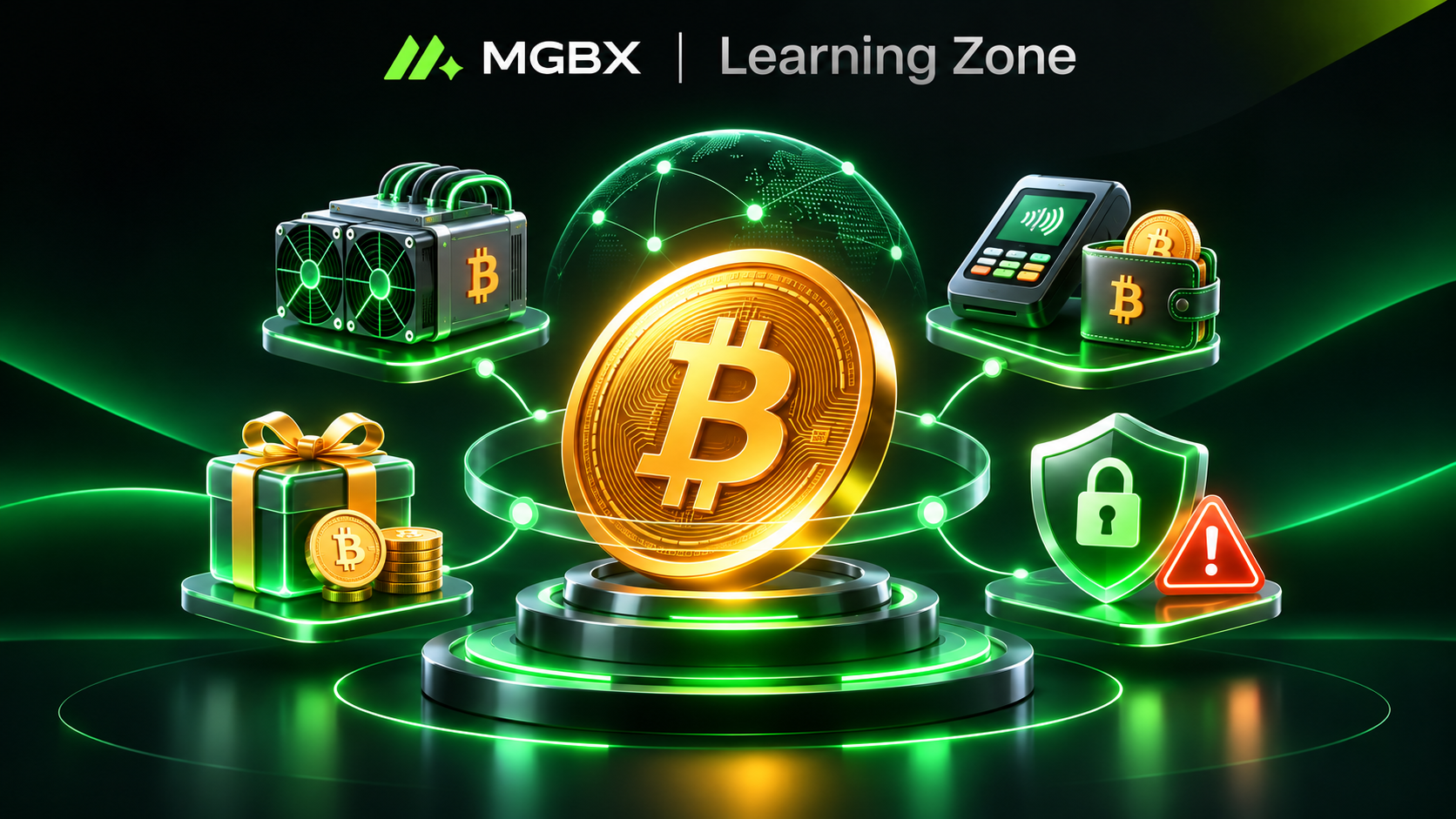
Buying Bitcoin is not the only way to acquire BTC. Users can also earn it by providing goods and services, participating in Bitcoin mining, or receiving platform rewards and referral incentives. Each method involves different financial commitments, time requirements, and sources of income. It is particularly important to distinguish native Bitcoin mining from third-party yield products, as Bitcoin uses Proof of Work and does not support native staking. Understanding these differences can help users identify unrealistic return promises and avoid unnecessary risks.
What Are the Common Ways to Earn Bitcoin?
There are several ways to earn Bitcoin, including employment, commercial services, mining, and platform rewards.
Accept BTC as payment for goods and services: Developers, designers, and other professionals can arrange to receive Bitcoin as payment for their services. Merchants can also accept BTC through payment services that support Bitcoin transactions.
Participate in Bitcoin mining: Miners use computing equipment to process transactions and compete to produce valid blocks. In return, they receive block rewards and transaction fees according to the network's protocol rules.
Earn platform rewards: Eligible opportunities may include referral programs, cashback offers, and educational tasks. However, these rewards are often subject to regional restrictions, identity verification requirements, campaign periods, and specific distribution rules. The rewards may also be relatively small.
It is important to understand that earning Bitcoin for free does not necessarily mean there are no costs involved. Users may need to invest time, complete specific tasks, comply with platform requirements, or pay conversion fees.
Bitcoin Mining vs. Third-Party Yield Products
The Bitcoin network uses a Proof of Work consensus mechanism. Miners contribute computing power to transaction verification and network security. They must use specialized hardware and mining software to perform the computations required to produce valid blocks.
Mining revenue primarily comes from block rewards and transaction fees. However, miners must also cover hardware, electricity, maintenance, and mining pool expenses. As network competition increases, mining difficulty and potential returns can change. Therefore, block rewards alone are not enough to determine whether mining is profitable.
Another concept that is sometimes confused with mining is Bitcoin staking or yield generation. The native Bitcoin protocol does not use Proof of Stake and therefore does not support native staking.
Products marketed as BTC staking or Bitcoin yield services generally involve third-party lending, custodial arrangements, wrapped assets, or other blockchain protocols.
As a result, users may face additional counterparty risks, smart contract vulnerabilities, and withdrawal or redemption restrictions. These products should not be confused with native Bitcoin mining or staking mechanisms.
How to Earn Bitcoin Safely
Before choosing a method, users should verify where the potential returns actually come from. Mining requires calculating hardware and electricity costs; service payments require confirming the payer and agreed terms; platform rewards should be checked against official campaign rules; and third-party yield products require an understanding of asset custody, yield generation, and withdrawal conditions.
Users should also be cautious of projects that require upfront BTC transfers, request wallet seed phrases, or promise guaranteed high returns.
For users who manage their own BTC, private keys and seed phrases should be stored securely. Avoid signing transactions or granting asset permissions through unfamiliar websites. Any request to disclose private keys or seed phrases in exchange for rewards should be treated as a serious security warning.
Bitcoin's official security guidance also warns that losing wallet recovery information can result in permanent loss of access to funds.
Frequently Asked Questions
Can I earn BTC without buying Bitcoin?
Yes. You can receive BTC through employment, selling goods or services, mining, or eligible reward programs. However, these methods generally require time, effort, or other resources.Does Bitcoin support native staking?
No. Bitcoin uses Proof of Work and does not have a native Proof of Stake mechanism.Is Bitcoin mining always profitable?
No. Actual profitability depends on hardware costs, electricity expenses, mining pool fees, network difficulty, and the market price of BTC.Are Bitcoin reward programs always safe?
No. Always verify the platform, campaign rules, and withdrawal requirements. Never disclose your private keys or seed phrases.
Mastering the basics is the first step. Follow MGBX Academy to access more cryptocurrency educational resources and market opportunities.
The process for trading on MGBX:
Register a trading account and complete the necessary identity verification;
Deposit funds and select a trade type;
On the cryptocurrency trading page, enter the amount or quantity of the cryptocurrency you wish to purchase;
Confirm the order to complete the trade, and check that your assets have increased accordingly.