What Is a Private Key? Controlling Your Keys Means Controlling Your Assets
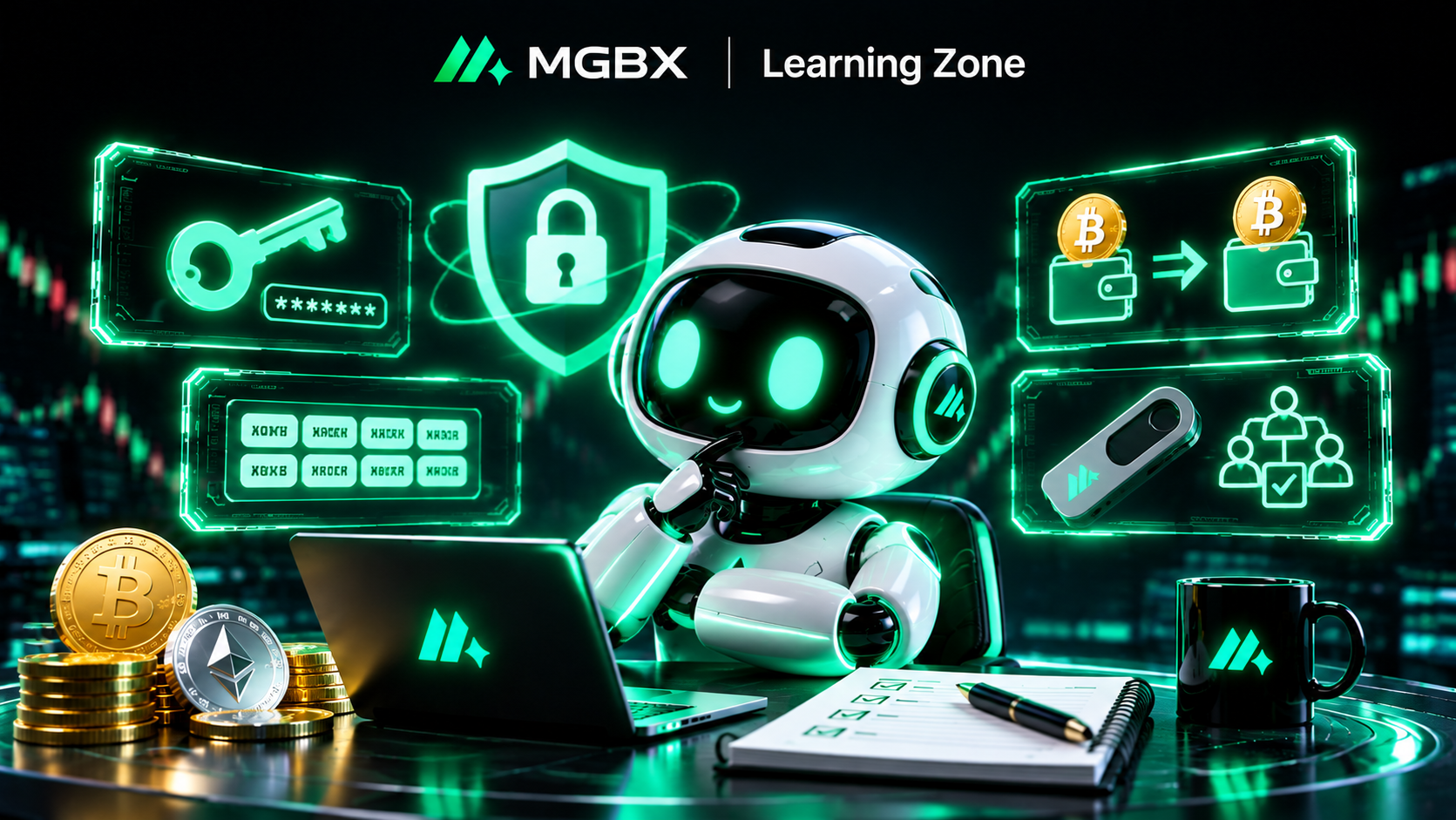
A private key is secret data used to create digital signatures. For typical single-signature accounts, holding it generally enables asset transfers—the foundation of self-custody. Blockchains verify signatures, not the signer’s real-world identity or legal ownership. Understanding private keys also means distinguishing them from public keys, addresses, seed phrases, and passwords. Multisig requirements, smart contracts, and asset-specific rules may impose additional conditions on access.
Private Key Basics: How Does Public-Key Cryptography Create Accounts?
Public-key cryptography uses mathematically related public and private keys. For a typical Ethereum externally owned account, a wallet generates a random private key, derives its public key, and creates an address under the network’s rules. Share the address to receive funds; keep the private key secret. Algorithms and address formats vary across blockchains.
Asymmetric encryption often introduces this key relationship, but blockchain transfers primarily use digital signatures rather than conceal transaction details. Public-chain transactions generally remain visible. With secure parameters and correct implementation, deriving a private key from its public key is computationally infeasible. This does not make devices, random-number generators, or software infallible. See Ethereum’s account documentation.
Why Don’t Digital Signatures Reveal Private Keys?
To send ETH, a wallet prepares transaction data—including the recipient, amount, and fees—then signs it with the private key. The network verifies and processes the signed transaction under protocol rules. The private key is not sent to nodes or recipients. Changing the signed data generally invalidates the signature. Ethereum’s transaction documentation explains signing and broadcasting.
A signature establishes authorization by the corresponding key, not the operator’s legal identity. An attacker with the key can also create valid signatures. Likewise, a malicious transaction approved by the user may pass network validation. Protecting keys and understanding signing requests are equally important.
Controlling Your Keys vs. Using a Custodial Service
With self-custody, users generally manage their signing and recovery credentials. With custody, a platform manages the underlying keys, and users access funds through its account system. Self-custody provides direct on-chain access but requires users to handle backups and recovery. Custodial services provide account support while introducing platform security and operational risks.
Private keys sign transactions; seed phrases typically restore multiple derived keys; passwords mainly unlock local apps or encrypted files. “Controlling your keys means controlling your assets” describes typical single-signature accounts. Multisig requires an approval threshold, contract accounts follow code, and some tokens allow freezing. Actual control depends on account and asset rules—not unrestricted ownership.
FAQ
Can someone derive my private key from my address?
Not practically, when keys are generated correctly using secure cryptographic methods.Does losing a private key always mean losing access?
No. A valid seed phrase, key file, or previously configured recovery mechanism may restore access.Does changing my wallet password change my private key?
Usually not. Changing a local password generally leaves the on-chain key unchanged.Does a wallet have only one private key?
Not necessarily. Deterministic wallets can derive multiple keys from a seed.
Further Readings:
Private Keys and Seed Phrases: The Last Line of Defense for Digital Assets
The Complete Guide to Backing Up Your Seed Phrase
The Complete Hardware Wallet Guide: Ledger, Trezor, and OneKey
Multisignature Wallets: A Shared Vault for Digital Assets
Mastering the basics is the first step. Follow MGBX Academy to access more cryptocurrency educational resources and market opportunities.
The process for trading on MGBX:
Register a trading account and complete the necessary identity verification;
Deposit funds and select a trade type;
On the cryptocurrency trading page, enter the amount or quantity of the cryptocurrency you wish to purchase;
Confirm the order to complete the trade, and check that your assets have increased accordingly.