What Is BlockDAG? Exploring Its Directed Acyclic Graph Architecture and BDAG Tokenomics
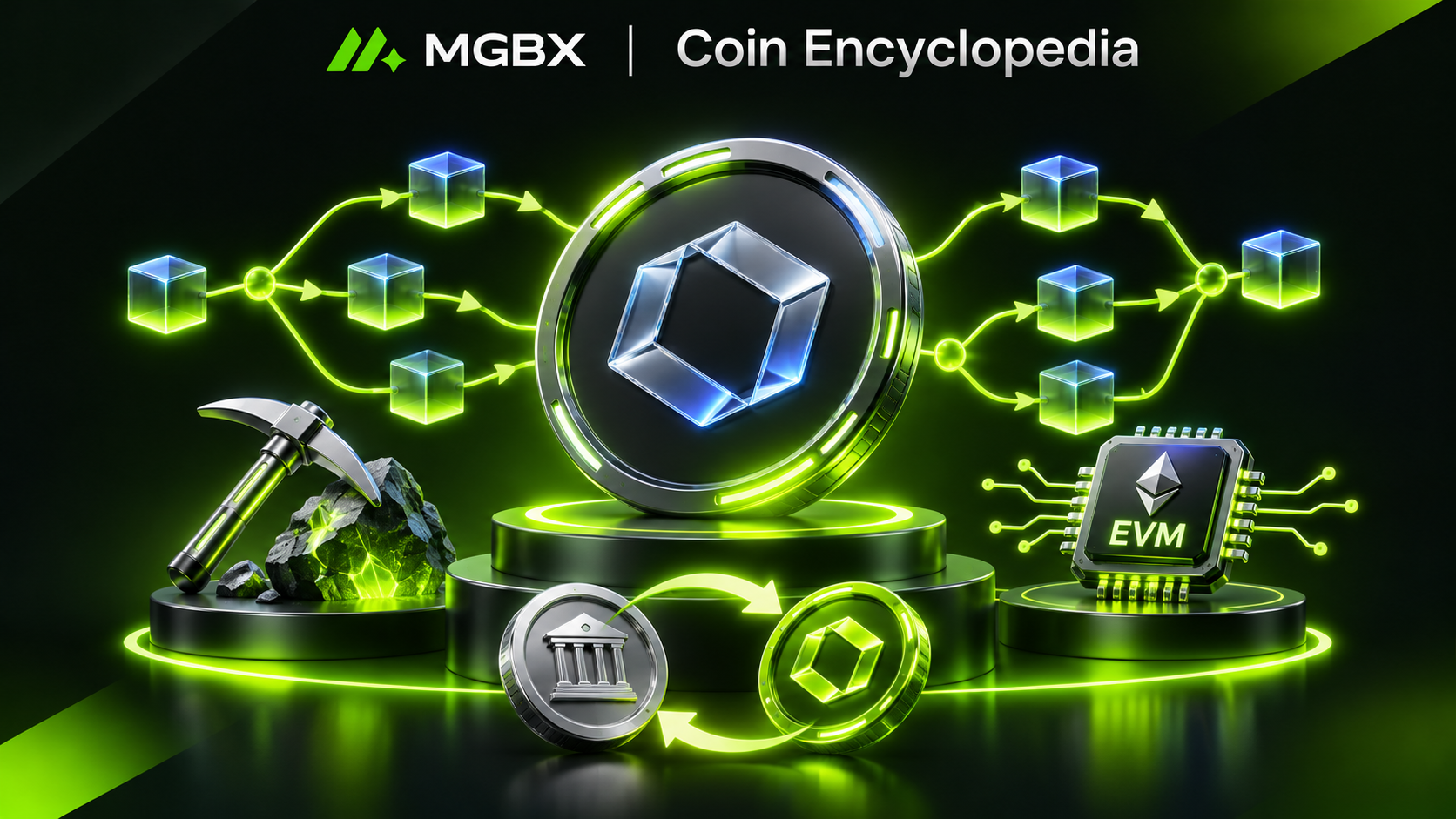
BlockDAG is a Layer 1 blockchain project that aims to combine Proof of Work with a Directed Acyclic Graph structure to improve the scalability of traditional linear blockchains through parallel block processing. The project also proposes Ethereum Virtual Machine compatibility and smart contract functionality. Its 2026 Fresh Start initiative introduces a distinction between Legacy BDAG and New BDAG, with a maximum supply of 150 billion tokens for the new version. Researching BlockDAG requires examining not only its technical architecture but also mainnet delivery, token allocation, the relationship between its legacy and new tokens, and actual market liquidity.
What Is BlockDAG? How Does It Combine Proof of Work and Directed Acyclic Graph Technology?
Traditional blockchains generally use a linear structure in which new blocks are added sequentially according to consensus rules. When multiple blocks are generated simultaneously, some may not become part of the final canonical chain.
BlockDAG aims to change this approach by using a Directed Acyclic Graph structure, allowing multiple blocks to be generated in parallel under certain conditions. Protocol rules then determine the ordering of transactions. According to the official BlockDAG Execution Whitepaper published in August 2026, the project describes its architecture as combining Proof of Work with DAG technology and using the GHOSTDAG mechanism to order parallel blocks.
The project also proposes Ethereum Virtual Machine compatibility, aiming to support development tools, wallets, and smart contract applications within the Ethereum ecosystem.
However, it is important to distinguish technical design from actual performance. Parallel block processing may theoretically improve transaction throughput, but real-world performance also depends on consensus rules, node synchronization, data storage, and network stability. Performance targets published by the project should not be treated as independently verified long-term mainnet results.
BDAG Tokenomics: What Is the Difference Between Legacy BDAG and New BDAG?
BDAG is the core token associated with the BlockDAG ecosystem.
According to the official Fresh Start document, New BDAG was introduced in August 2026 as the planned native token for the next phase of the network. Its primary intended uses include paying network transaction fees, rewarding miners, and supporting ecosystem products.
The project announced a maximum supply of 150 billion New BDAG, allocated as follows: 50 billion for eligible existing holders, 50 billion for mining rewards, 25 billion for the new presale, and 25 billion for ecosystem development.
It is important to understand that Legacy BDAG and New BDAG are separate assets. Eligible early holders may receive an allocation of New BDAG according to the project's rules, but the introduction of the new token does not automatically eliminate or replace Legacy BDAG.
The two assets are also not guaranteed to have the same price or liquidity, as their supply, demand, and market support may differ.
Additionally, the official document describes $100 million in liquidity as a planned commitment rather than a completed capital injection. The final supply cap, allocation addresses, release schedule, and smart contract audits should be verified against actual deployment records.
BlockDAG Development Progress and Key Risks to Consider
BlockDAG's development roadmap covers its mainnet, mining infrastructure, developer tools, and smart contract ecosystem. The August 2026 execution whitepaper outlines infrastructure including mainnet transaction processing, an Ethereum-compatible execution environment, a block explorer, and node interfaces.
However, progress reported by the project does not constitute independent verification of network performance or security. Researchers should examine the block explorer, node count, transaction records, network stability, and ongoing development updates.
Token circulation is another important consideration. Mining rewards and ecosystem allocations under the New BDAG distribution plan may affect future market supply. Investors should verify the release schedule, eligibility requirements for existing holders, and actual deployed contracts.
Regarding the allocation of new and legacy tokens, the project also warns users not to transfer tokens to individuals or unofficial addresses to unlock their allocations. Users should never disclose their private keys or seed phrases.
Therefore, researching BlockDAG requires more than evaluating its technical narrative. Network delivery, token issuance, and actual market support should also be continuously verified.
Frequently Asked Questions
What is BlockDAG?
BlockDAG is a Layer 1 blockchain project that combines Proof of Work with a Directed Acyclic Graph structure.What is the maximum supply of BDAG?
According to the 2026 Fresh Start document, the maximum supply of New BDAG is 150 billion tokens.Are Legacy BDAG and New BDAG the same asset?
No. The project defines them as separate assets, with New BDAG planned as the native token for the next phase of the network.Does a Directed Acyclic Graph guarantee faster transaction processing?
No. Actual performance also depends on consensus mechanisms, node synchronization, data processing, and network implementation.
Mastering the basics is the first step. Follow MGBX Academy to access more cryptocurrency educational resources and market opportunities.
The process for trading on MGBX:
Register a trading account and complete the necessary identity verification;
Deposit funds and select a trade type;
On the cryptocurrency trading page, enter the amount or quantity of the cryptocurrency you wish to purchase;
Confirm the order to complete the trade, and check that your assets have increased accordingly.